
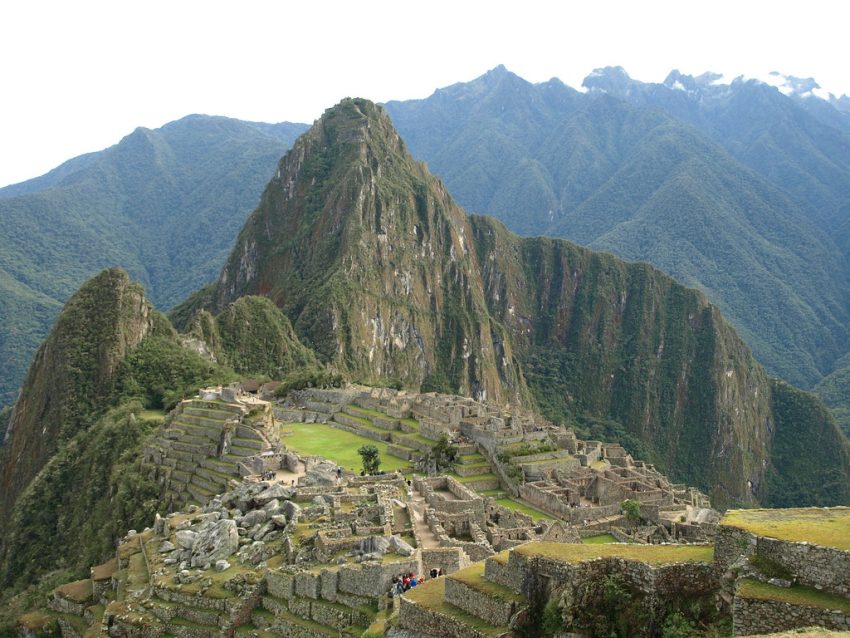
Introduction to Immersive Travel
As we step into 2026, the landscape of travel continues to evolve. With an increasing desire for authentic experiences, travelers are leaning towards immersive travel—an approach that not only offers a glimpse into a destination but allows for genuine connection with its culture and communities.
Understanding Immersive Travel
Immersive travel goes beyond traditional tourism. It focuses on deep engagement with local cultures, traditions, and lifestyles. Instead of merely visiting popular landmarks, travelers seek to participate and connect, creating a profound relationship with the places they explore.
Characteristics of Immersive Travel
- Authenticity: Travelers want real experiences, whether it’s cooking with a family in Italy or participating in a local festival in Japan.
- Community Engagement: Building relationships with locals enhances the travel experience and fosters understanding.
- Sustainability: Immersive travel often emphasizes sustainable practices, encouraging travelers to respect and preserve the environments they visit.
Why Choose Immersive Travel in 2026?
In today’s fast-paced world, many seek meaning and substance in their journeys. Immersive travel offers not just sights but stories, participation, and learning. Here are some reasons to consider it for your next adventure:
1. Deeper Connections
Engaging with locals provides insights that guidebooks cannot offer. You learn about traditions, languages, and perspectives that enrich your travel experience.
2. Personal Growth
Immersive experiences challenge you and encourage personal reflection. Whether it’s through volunteering or learning a new skill, these interactions can foster growth and broaden your horizons.
3. Contribution to Local Economies
Choosing immersive travel positively impacts the communities you visit, helping sustain local businesses and promoting cultural preservation.
How to Plan an Immersive Travel Experience
Planning an immersive trip requires more than booking flights and accommodations. Here are steps to ensure you get the most out of your journey:
1. Research Local Cultures
Before you travel, learn about the cultural practices, traditions, and social norms of your destination. This knowledge will help you engage respectfully and effectively.
2. Choose Local Accommodations
Consider staying in homestays, guesthouses, or boutique hotels managed by locals instead of large international chains. This enhances your connection to the community and often offers a more authentic experience.
3. Participate in Local Activities
Sign up for workshops, classes, or guided tours led by local experts. Whether it’s a cooking class or a guided nature hike, these experiences can be rewarding and enlightening.
4. Volunteer Your Time
Many travelers opt to volunteer during their trips. This commitment often results in deep connections with local communities and a sense of fulfillment.
Top Destinations for Immersive Travel in 2026
Here are some destinations renowned for their immersive travel opportunities:
1. Japan
With its rich culture and traditions, Japan offers countless opportunities for immersive experiences, from tea ceremonies to local craft workshops.
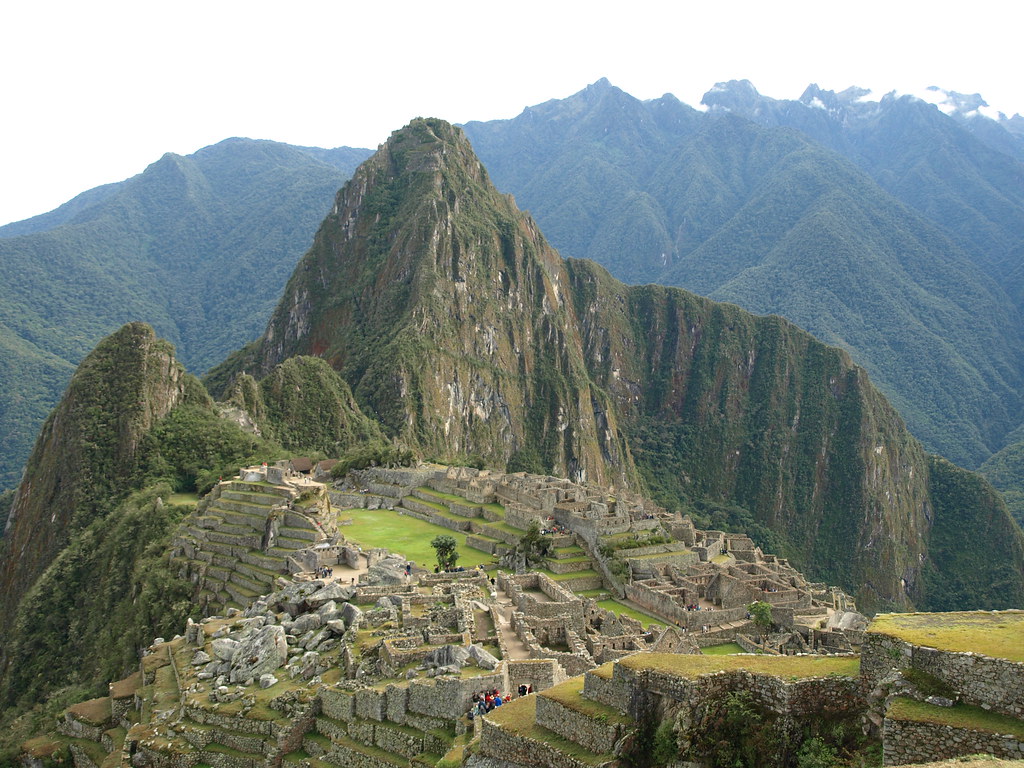
2. Peru
Engage with local communities through initiatives that focus on sustainable farming and preservation of ancient Incan traditions.
3. Italy
Participate in culinary classes in Tuscany or pottery workshops in Florence. The opportunities for authentic interaction are endless.
4. India
Experience the vibrancy of Indian culture by taking part in local festivals, staying with families, or participating in community projects.
Conclusion
As we move further into 2026, the desire for immersive travel experiences will undoubtedly grow. By engaging authentically with local cultures, travelers not only enrich their own journeys but also contribute positively to the communities they visit. The rewarding connections and personal growth that come from immersive travel ensure that each adventure is not just a trip, but a transformative experience.