
Introduction
As we step into 2026, the travel industry is experiencing a remarkable transformation. With advancements in technology, shifting consumer preferences, and a renewed sense of wanderlust, travel has evolved into a more personalized and enriching experience. In this article, we will explore the latest trends and innovative practices that are shaping the future of travel this year.

1. The Rise of Smart Travel
Smart technology is revolutionizing the way we travel, making it more convenient and efficient than ever. From mobile apps to AI-driven services, here’s how smart travel is taking off:
- Mobile Planning: Travel planning apps are integrating AI to provide personalized itineraries based on user preferences, past trips, and current trends. Travelers can now enjoy tailored suggestions at their fingertips.
- Smart Luggage: With GPS tracking, built-in weight sensors, and charging capabilities, smart luggage is transforming how we manage our belongings on the go.
- Virtual and Augmented Reality: These technologies are being used to provide virtual tours of destinations, allowing travelers to explore before they go, making informed decisions about where to visit.
2. Wellness Travel: A Focus on Mental and Physical Health
As people become more health-conscious, wellness travel is gaining popularity. This trend goes beyond spas and yoga retreats; it’s about holistic experiences that nurture the body and soul. Here’s what to expect in 2026:
- Mindfulness Retreats: Destinations focusing on mindfulness practices, meditation, and digital detox are becoming increasingly sought after as travelers seek to recharge and reconnect.
- Fitness-Centric Trips: More companies are offering trips that revolve around fitness activities, such as hiking expeditions, cycling tours, or rejuvenating yoga weekends.
- Nutritional Experiences: Health-focused culinary experiences that emphasize local, organic cuisine are on the rise, catering to the growing demand for healthy eating on the road.
3. The Changing Face of Luxury Travel
Luxury travel is being redefined in 2026, shifting from opulence to authenticity. The affluent traveler today seeks unique experiences that allow them to connect with places and people. Key features include:
- Experiential Travel: Luxury travelers prioritize experiences over material possessions. This could mean private tours, exclusive access to events, or behind-the-scenes experiences in cultural landmarks.
- Unique Accommodations: The rise of boutique hotels, glamping sites, and unique stays (such as treehouses or underwater hotels) offers travelers a distinctive twist on luxury.
- Personalized Services: From customized itineraries crafted by travel designers to private chefs and personal guides, the demand for tailored services is at an all-time high.
4. Sustainable Adventure: Beyond Green Practices
While eco-travel has been a buzzword for years, in 2026, we see a deeper commitment to sustainability across the industry. It’s not just about reducing carbon footprints; it involves giving back and preserving cultures. Consider the following:
- Community-Based Tourism: Travelers are increasingly supporting local communities by engaging in tours and experiences that directly benefit local economies.
- Carbon Offsetting: Many travelers are opting to invest in carbon offset programs to neutralize the impact of their trips, contributing to environmental projects worldwide.
- Conservation Initiatives: Travelers are encouraged to participate in conservation efforts, such as wildlife rescue programs or beach clean-ups, providing a sense of purpose to their adventures.
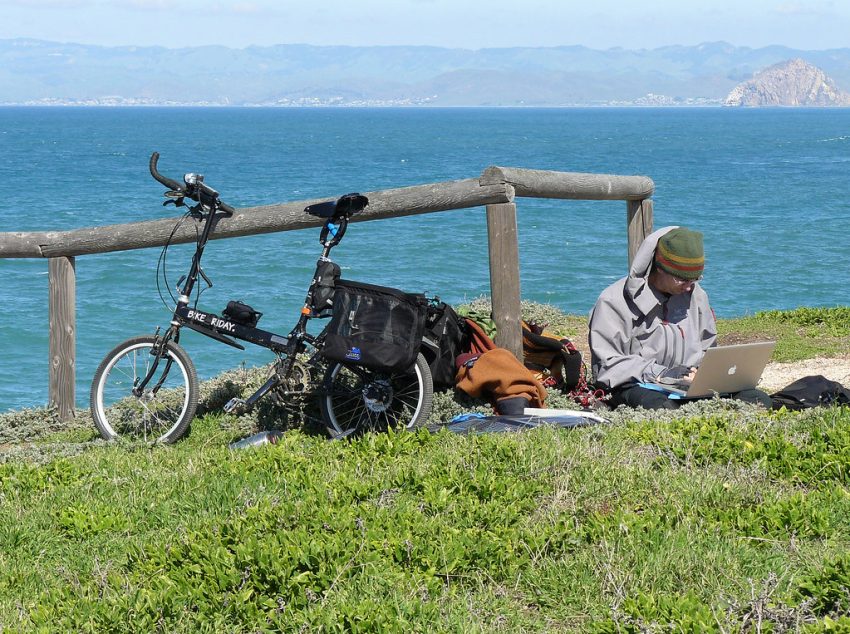
5. The Digital Nomad Revolution
The rise of remote work has given birth to a new category of travelers: digital nomads. These individuals blend work and travel, seeking destinations that cater to their lifestyle. Here’s what’s trending:
- Co-Working Spaces: Locations with accessible co-working spaces are becoming more desirable, allowing nomads to combine productivity with travel.
- Nomad Communities: Cities like Bali, Lisbon, and Mexico City are fostering communities for digital nomads, providing networking opportunities and social interactions.
- Long-Term Stays: The demand for accommodations that offer flexible booking and long-term stays is increasing, as nomads seek comfort and a sense of belonging while traveling.
6. Enhancing Travel with Immersive Technology
Leading technology is enhancing the travel experience through immersive and interactive methods, changing how travelers engage with their destinations:
- Travel Apps: Apps featuring augmented reality elements, such as interactive maps and historical overlays, enhance the sightseeing experience, allowing travelers to visualize the past and present.
- AI Chatbots: Travel companies are implementing AI chatbots for real-time customer service and support, ensuring travelers receive assistance whenever needed.
- Blockchain for Travel Security: Blockchain technology is gaining traction, providing secure and transparent transactions for booking and payments, increasing consumer trust.
Conclusion
The travel landscape in 2026 is vibrant and filled with new possibilities. As we embrace these trends, it becomes clear that the future of travel is not just about visiting places; it’s about experiencing life in all its forms. Whether you’re a digital nomad, a wellness seeker, or a luxury traveler, there are unprecedented opportunities to explore the world in meaningful ways. So grab your passport, prepare for an adventure, and dive into the evolving realm of travel!