
The Shift to Immersive Travel
In 2026, travelers are seeking experiences that do more than just allow them to see new sights; they want to immerse themselves in the culture, traditions, and realities of the places they visit. Immersive travel has emerged as a popular trend, appealing to the modern wanderer’s desire for authenticity and connection.
Why Immersive Travel?
Traditional travel often involves ticking off a checklist of popular sites, but immersive travel encourages deeper engagement. Here are some reasons why more people are opting for this enriching approach:
- Cultural Understanding: Travelers develop a richer understanding of local customs and traditions.
- Meaningful Connections: Immersive experiences facilitate interactions with locals, creating opportunities for friendships and lasting memories.
- Unique Experiences: Instead of standard tours, travelers can partake in activities such as cooking classes, local workshops, or traditional festivals.
Popular Immersive Travel Destinations in 2026
As the trend of immersive travel continues to grow, certain destinations stand out for their unique offerings:
1. Japan: Cultural Fusion
Japan’s blend of ancient traditions and modern life captivates travelers. Options range from staying in a ryokan (traditional inn) to participating in a tea ceremony. You can also explore rural areas for a more intimate view of Japanese culture.
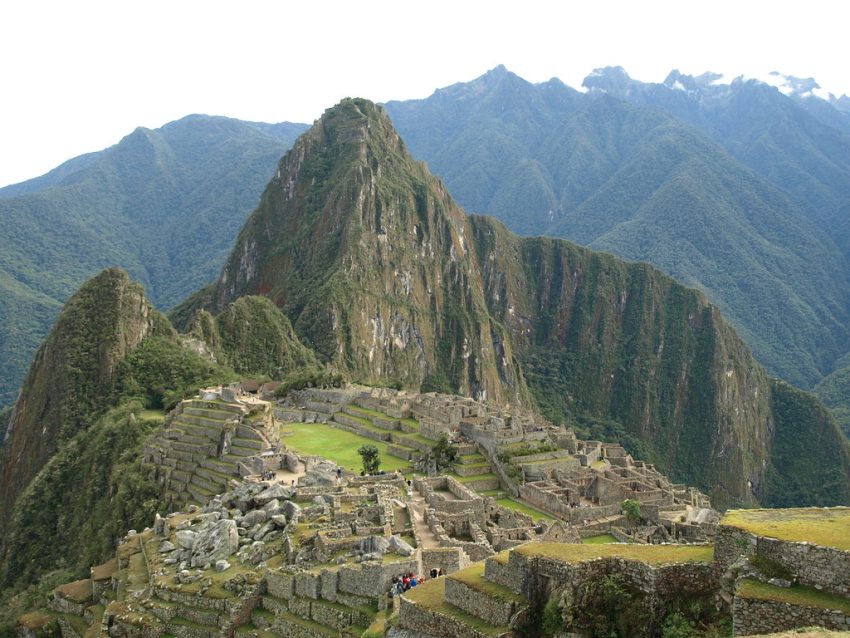
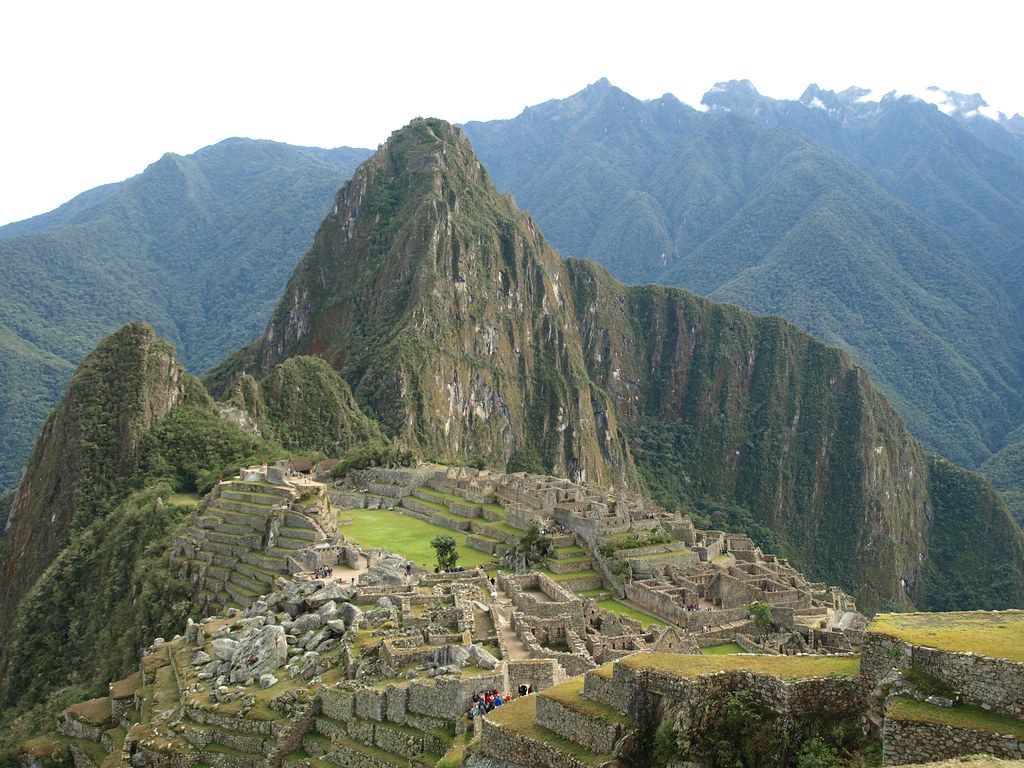
2. Peru: The Andean Experience
Travelers to Peru can delve into the heart of the Andean culture by visiting local markets, learning about ancient Incan customs, or trekking the Inca Trail. Engaging with indigenous communities offers profound insights into their way of life.
3. Italy: Culinary Adventures
Italy remains a perennial favorite, particularly for those interested in culinary immersion. Take cooking classes in Tuscany, enjoy local wine tastings in Umbria, or explore the vibrant street food scene in Naples.
4. South Africa: The Great Outdoors
Rich in biodiversity, South Africa offers adventurous travelers the chance to engage in wildlife conservation efforts. Participate in a volunteer program at a wildlife reserve or join a guided safari to learn about local ecosystems.
How to Plan Your Immersive Travel Experience
Embarking on an immersive travel journey requires a bit more planning than conventional trips. Here are some tips to ensure you get the most out of your experience:
- Research: Before you go, familiarize yourself with local customs, traditions, and even some basic language phrases.
- Engage with Locals: Look for opportunities to connect with local communities, whether through guided tours or community-based tourism initiatives.
- Be Open-Minded: Embrace spontaneity and be willing to step outside your comfort zone. This openness often leads to the most memorable experiences.
Challenges of Immersive Travel
While the benefits of immersive travel are compelling, it’s also essential to recognize some challenges:
- Language Barriers: Depending on the destination, communicating effectively may be difficult; hence, learning a few key phrases can be beneficial.
- Cultural Sensitivity: Travelers must respect local customs and traditions, ensuring they engage in a way that is considerate and respectful.
- Planning Requirements: Immersive experiences often require pre-planning and sometimes reservations, which might not suit last-minute travelers.
Future of Immersive Travel
As more travelers seek out experiences that allow them to explore the world on a deeper level, the trend toward immersive travel is expected to grow. Travel companies are adapting by offering more customized and authentic experiences. Expect to see a rise in:
- Responsible Tourism: A greater focus on sustainable and ethical travel practices that prioritize local communities.
- Technology Integration: Enhanced tools and platforms that connect travelers with locals for unique experiences, such as apps that facilitate language translation and cultural exchange.
- Increased Accessibility: Efforts to make immersive experiences available to a broader audience, including people with disabilities.
Traveling in 2026 is not just about visiting new places; it’s about immersing yourself in the experiences that shape those locations. Embrace the journey of discovery, and let your travels transform your perspective on the world.